Food Quality & Sourcing
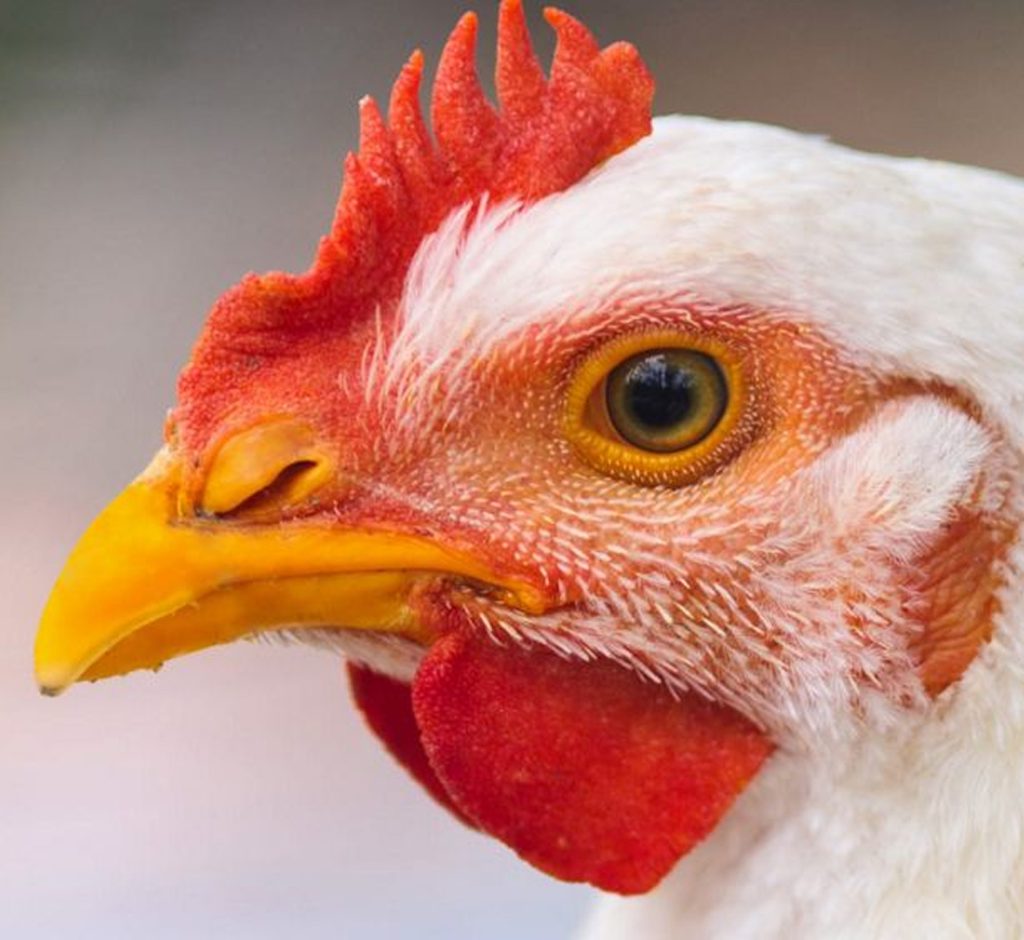
We are working toward responsibly sourcing our priority commodities, prioritizing animal health and welfare and making safe, quality food accessible to families across the world.

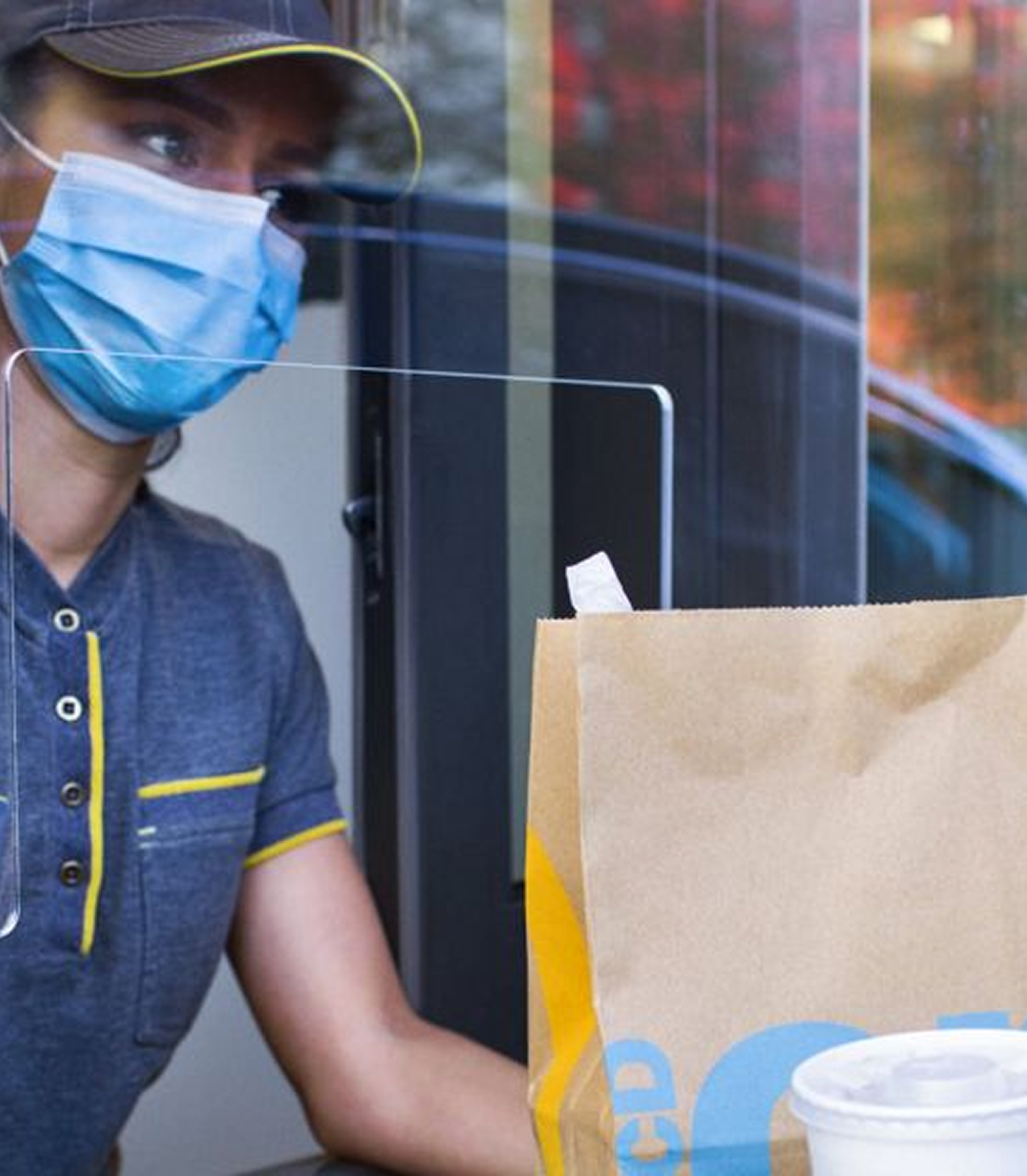
We embed strict food safety standards and protocols in the Company’s processes, from food sourcing to menu development, packaging and distribution, and the running of McDonald’s restaurants.
McDonald’s mission is to create delicious, feel-good moments for everyone. We listen to our customers and evaluate our menu to identify ways to evolve our offerings while maintaining the great taste people know and love.
The road to serving McDonald’s menu items that delight customers is long and complex. Our global supply chain spans countries, continents and industries. We approach responsible sourcing holistically, understanding that our work can impact the livelihoods of people, the health of our shared planet and the well-being of animals. We believe we must respect them all.
We believe that serving safe, quality food requires sourcing animals that are properly cared for throughout their lives. This is why the Company prioritizes animal health and welfare and responsible antibiotic use.
Recent Highlights
Food Safety
- As of the end of 2023, 96% of McDonald’s restaurants had fully implemented the move from a paper-based to a digital food safety management platform.
- More than 1,800 third-party audits were performed in 2023 through the Company’s Supplier Quality Management System (SQMS), of which McDonald’s standards were fully met by over 90% of the food suppliers.
- More than 250 distribution centers completed third-party food safety and quality audits in 2023. Over 98% were found to be operating consistently with the McDonald’s Distributor Quality Management Process (DQMP) audit standard.
- More than 60,000 food safety audits were conducted at McDonald’s restaurants in 2023.
Responsible Sourcing
- 98.8% of beef sourced for McDonald’s restaurants supported deforestation-free supply chains by the end of 2023.
- 93.8% of the fish sourced for McDonald’s Filet-O-Fish® sandwich was from sustainably managed wild-caught fisheries, which is assessed and verified annually against the McDonald’s Sustainability Fisheries Standard by the Sustainable Fisheries Partnership.
- 100% of the palm oil used in McDonald’s restaurants and as an ingredient in McDonald’s products supported the production of more sustainable palm oil in 2023.
- 100% of soy sourced in 2023 for the feed of chicken used in McDonald’s products supported deforestation-free supply chains globally.
- 99.9% of our ground and whole bean coffee was sustainably sourced in 2023.
- 97.9% of our primary fiber-based guest packaging was sourced from recycled or certified sources in 2023.
Nutrition & Marketing Practices
Across our 20 major markets:
- In 2023, 61% of Happy Meal Bundle Offerings met our Global Happy Meal Nutrition Criteria for balanced meals. These criteria mean that meals must have less than or equal to 600 calories, 10% of calories from saturated fat, 650 mg of sodium and 10% of calories from added sugar.
- In 2023, we maintained the removal of artificial flavors, added colors from artificial sources and artificial preservatives where feasible from Happy Meal Bundle Offerings in our 20 in-scope markets.
- 100% of Happy Meal nutrition information was available on all participating market websites and mobile apps as of Q1 2024.
- 99% of Happy Meal Bundles shown in advertisements on third-party media met our Global Nutrition Criteria in 2023.
- We featured water, milk or juice as the Happy Meal beverage, and fruit, vegetable or dairy items as one of the Happy Meal sides in 100% of the ads the Company directed to children.
Responsible Antibiotic Use
- We have established market-specific targets for the responsible use of antibiotics in our global beef supply chain for 10 in-scope markets and, since 2023, have been working with our suppliers to establish data systems that will help enable future measurement of antibiotic use against these targets.
- We are actively working with our supply chain to collect antibiotic use data associated with global beef industries across our 10 in-scope markets, leveraging independent third parties to facilitate data aggregation.
- Highest Priority Critically Important Antibiotics (HPCIAs) in human medicine have been eliminated for use in raising chickens for Australia, Brazil, Canada, Europe, Japan, South Korea and the U.S., with China expected to comply before the end of 2027.