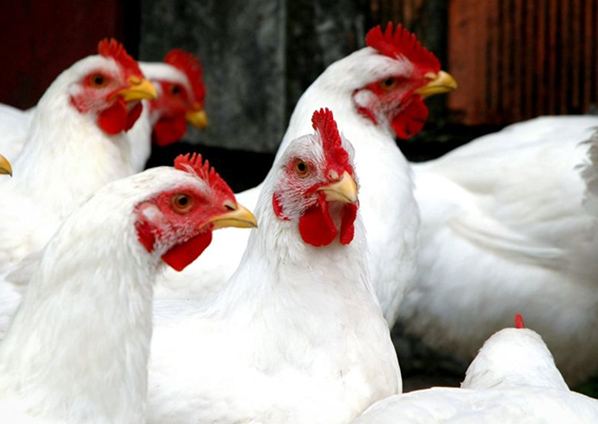
Animal Health & Welfare
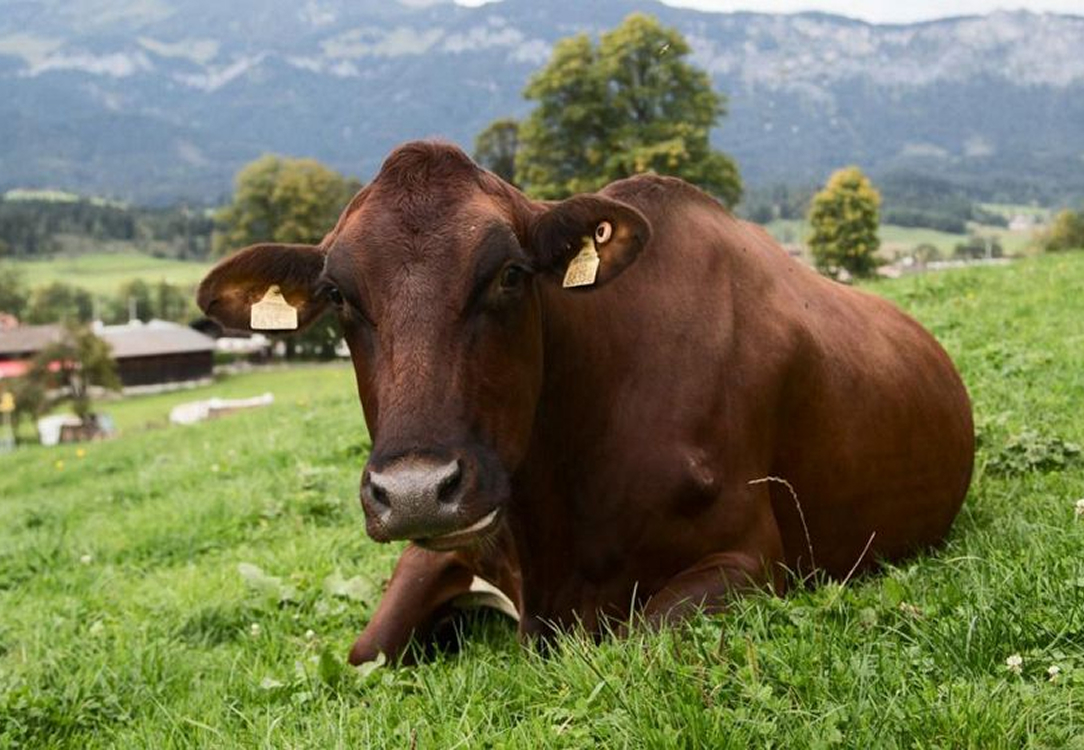
We believe that serving safe, quality food requires sourcing animals that are properly cared for throughout their lives. This is why the Company prioritizes animal health and welfare, and responsible antibiotic use.
We ask our suppliers to follow our standards in this area, in addition to complying with applicable laws.
Our Recent Progress
- We are currently on track to achieve our eight Broiler Welfare Commitments across our in-scope markets, which are expected to be fully implemented by the end of 2024.
- As of the end of 2023, more than 96% of our pork purchased in the U.S. comes from suppliers that have phased out the use of gestation stalls (small, enclosed pens) for housing confirmed pregnant sows.
- As of the end of 2023, McDonald’s USA has achieved its commitment to sourcing 100% cage-free eggs by 2025 – two years ahead of schedule.
Our Strategy
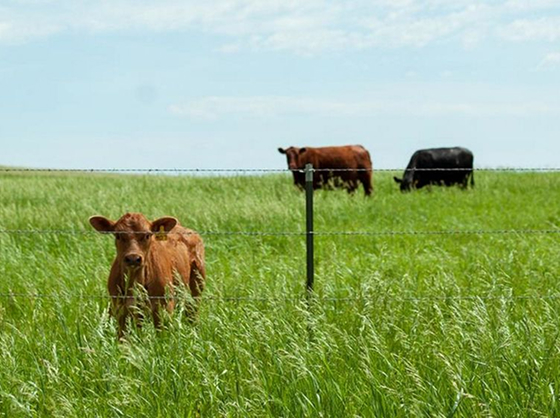
We believe we have a responsibility to help improve the health and welfare of animals in our supply chain, and we work with our global network of suppliers to actively encourage industry and cross-sector collaboration on this topic. To help us achieve a positive impact in this area, we engage with recognized subject-matter experts and academia. Using an approach that considers everything from key welfare indicators to humane slaughter, we aim to leverage scale to help drive positive outcomes.
Supply Chain Requirements
The Company has various programs and systems that outline animal health and welfare requirements for suppliers. For example:
- The Global Raw Material Sponsorship Program defines the Company’s annual food safety, animal health and welfare, and supplier workplace accountability requirements for raw material suppliers of beef, chicken and pork.
- The Global Sustainable Sourcing Guide outlines category-specific sustainability requirements, which are also embedded in product specifications.
- The Company’s Global and market Quality Systems teams periodically contact suppliers to review their performance against the Company’s policies and to help ensure consistent implementation and continuous improvement.
- McDonald’s animal health and welfare standards are defined for each protein and verified through recurring independent audits of slaughterhouses. Where these audits find noncompliance, we take appropriate steps, including confirming corrective action plans have been implemented or suspending the relationship.
Focus on Chicken
We formed the Chicken Sustainability Advisory Council (CSAC) in 2018 to help inform our chicken welfare and sustainability strategy. The group includes animal welfare experts, chicken suppliers, academics and researchers, as well as nongovernmental organizations (NGOs).
McDonald’s is a founding member of the International Poultry Welfare Alliance (IPWA) and the U.S. Roundtable for Sustainable Poultry & Eggs. Additionally, in 2023, we endorsed a set of antimicrobial use stewardship principles established by the International Poultry Council (IPC) as part of the U.S. Agency for International Development (USAID)-funded Transformational Strategies for Farm Output Risk Mitigation (TRANSFORM) project.
By endorsing these principles, we commit to encouraging or taking action against four key points:
- Take a risk-based approach around each instance of antimicrobial use and consider why, when, which and how much to administer.
- Adopt farm management practices that improve animal health and would reduce the need for antimicrobial use.
- Use antimicrobials only in compliance with national authorizations.
- Only use antimicrobials critically important for human medicine under a supervising veterinarian’s diagnosis and oversight.